OSHA general industry
Scaffold
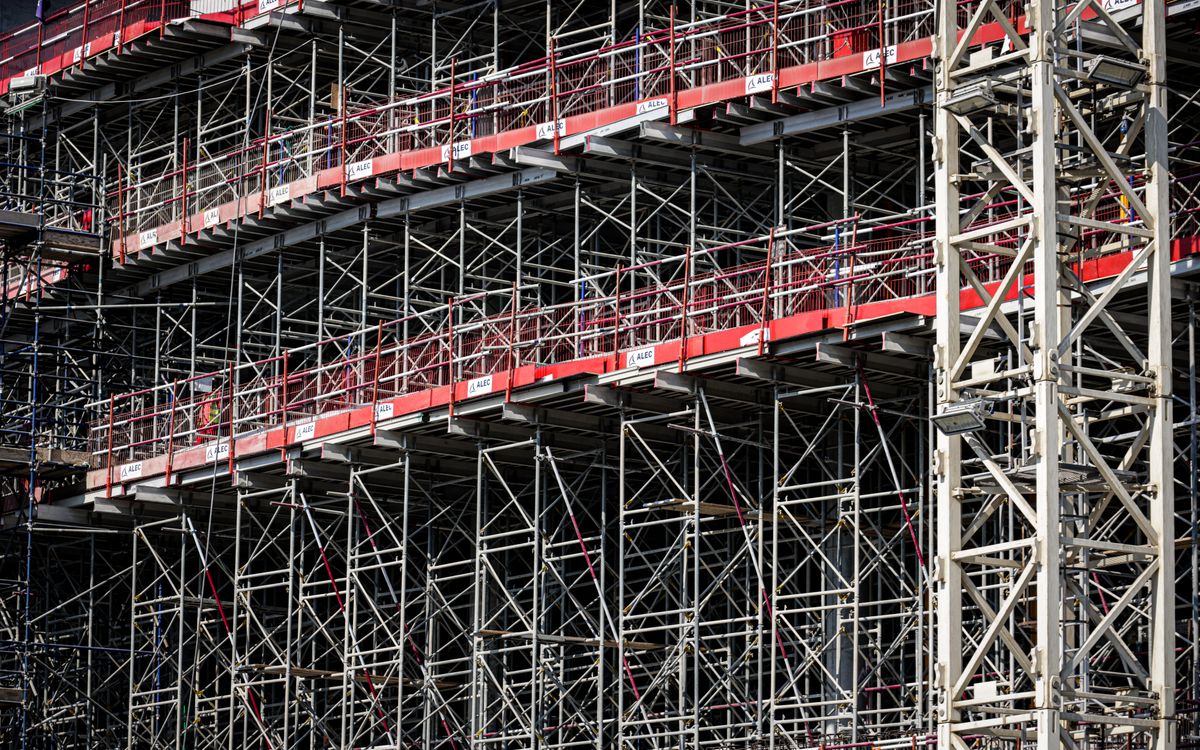
A scaffold is equipment in the osha general industry category. Temporary elevated work platforms requiring competent person inspection before each work shift.
Also called: scaffolding, staging, scaff tag.
Governing standards
Required artifacts
| Artifact | What it does |
|---|---|
| Inspection tag | An inspection tag is a compliance consumable affixed to equipment that records who serviced it, when, and under what licence. |
Which of these you actually need, and on what cycle, depends on your jurisdiction. We publish that only where we have read the governing clause and can cite it. Where we have not, the page says so rather than guessing.
In stock for scaffolds
What it is
A temporary work platform of tube, frame or system components with planking, guardrails, base plates and ties into the structure. It is erected for a job and struck afterwards, so no two are identical.
Why it gets inspected
Scaffolds change without being redesigned. A plank borrowed for another trade, a tie removed to get a window in, a base plate on ground that has since gone soft - each is a small change by someone who was not thinking about the whole structure.
What happens on a visit
A competent person walks it before each shift: planking complete and secured, guardrails and toeboards present, ties intact, base and bracing sound, access safe. Then the status tag is set to what they actually found.
What drives the tag count
Inspection is by a competent person before each shift and after anything that could affect the structure, so a scaffold in continuous use generates a record every working day. Tags move between three states over the life of the erection, which is why they are bought as a colour set rather than singly.
What actually gets tagged, and where it goes
The status tag hangs at every access point, which means a scaffold with three ladders needs three tags showing the same status, not one. The three colour set exists so the status is readable at a glance from the ground by somebody deciding whether to climb, and the tag is changed as the status changes rather than annotated. This is a consumed item: handled every shift, exposed to site weather, and deliberately replaced, so durability past a few months is not the goal.
What a scan of scaffolds shows
The paper tag holds only the current state, which is correct for the worker at the base and useless afterwards. When the question later becomes whether a competent person inspected before the shift during which something went wrong, the tag has already been overwritten. A scan resolves to that scaffold and holds the sequence, including the occasions it was tagged unsafe and later returned to service, which is the history that vanishes entirely with paper.
Every artifact here is serialised, so the record survives the tag being replaced. The mechanics are on how inspection records work.
Sizing an order for a fleet of scaffolds
Size on access points and on how often status changes, not on the number of scaffolds. An active site consumes tags far faster than a scaffold count suggests because every status change and every reconfiguration consumes stock. Order the three colour set together and in quantity: running out of the unsafe tag specifically is the failure mode that matters, and it is the one that happens because it is used least in normal operation and nobody tracks it.
Minimum is 100 units and every price is on the page, so a first order can be a test rather than a commitment. Why the minimum is 100, not 2,500.
Inspected on the same visit
A site running scaffolds is running ladders, and usually lifting equipment as well. All three are inspected by a competent person on frequencies driven by use rather than by calendar, and all three share the same problem of equipment moving between locations faster than paperwork moves. Ordering scaffold tags without ladder labels is how a site ends up with a documented scaffold and an undocumented ladder fleet standing next to it. The three go on the same order because they go on the same site.
Ordering scaffolds: common questions
How many tags does one scaffold need?
One at every access point, so a scaffold with three ladders needs three showing the same status. A single tag at one access point means somebody climbing at another has no information, which defeats the purpose of a visual status system.
Which colour runs out first?
The unsafe tag, and it is the one that matters most. It is used least in normal operation, so nobody tracks it, and it is needed urgently at exactly the moment it is missing. Order the three-colour set together and in quantity.
Why record status changes if the tag shows the current state?
Because the tag is overwritten by the next shift. When the question later becomes whether an inspection happened before the shift during which something went wrong, the paper answer is already gone. The record keeps the sequence, including the periods a scaffold was tagged unsafe and later returned to service.