100 unit minimum · prices published
Inspection tags with your imprint, priced online.
Fire, backflow, scaffold, ladder and eyewash tags. Set your company name and licence line, see the proof, check out. Every tag can carry a serial that turns a scan into a permanent inspection record.
Shop compliance consumables
All productsFire extinguisher
Fire extinguisher inspection tag, card stock
from $0.24 per unit
$0.35 at 100 units
Fire extinguisher
Fire extinguisher inspection tag, UV plastic
from $0.68 per unit
$0.99 at 100 units
Fire extinguisher
Six year maintenance verification collar
from $0.23 per unit
$0.31 at 100 units
Backflow prevention assembly
Backflow assembly test tag, Tyvek
from $0.36 per unit
$0.49 at 100 units
Scaffold
Scaffold status tag, three colour set
from $1.33 per unit
$1.66 at 100 units
Ladder
Ladder inspection label, vinyl
from $0.21 per unit
$0.28 at 100 units
Shop by equipment
All equipment

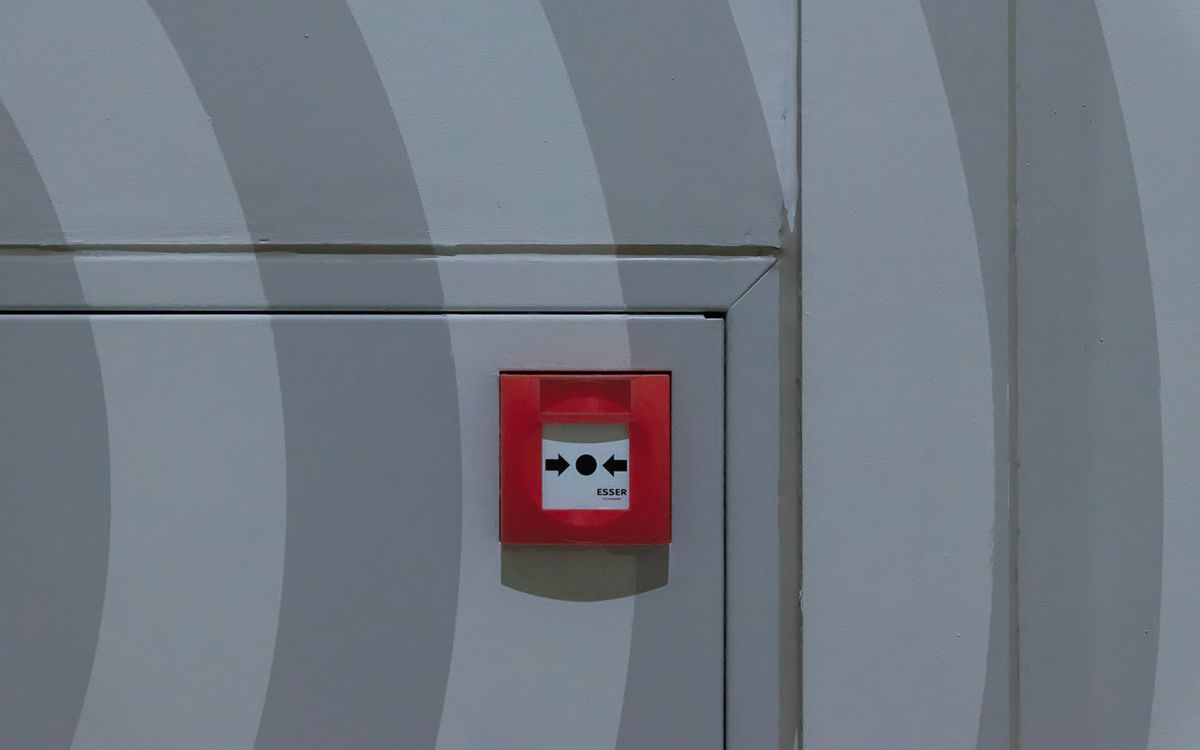
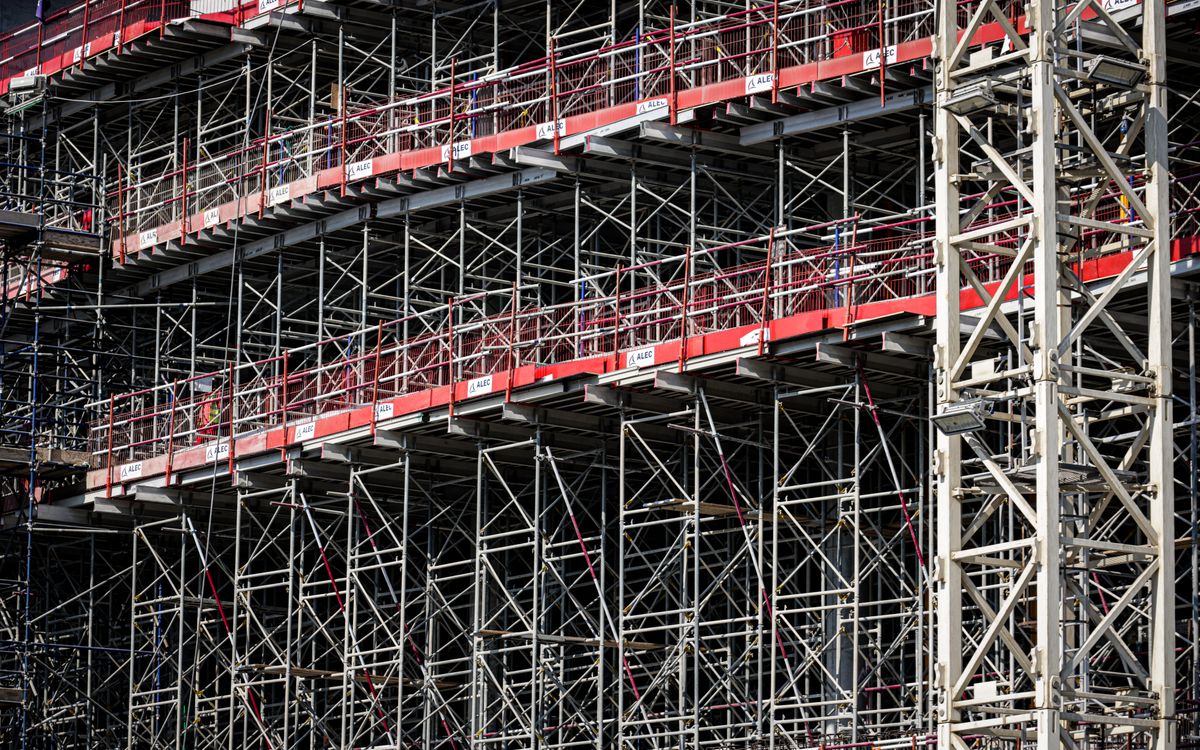
Compliance consumables are the physical artifacts that a code, standard, statute, or authority having jurisdiction requires be affixed to equipment, carried by a technician, logged in a record, or displayed on a premises. Affixure supplies them at a published price and hosts the inspection records they generate.
Common questions
Do I have to request a quote?
No. Every product page shows the unit price and the full quantity break table before you enter anything, and you can check out without speaking to anyone. This is deliberate and it is the main thing that separates us from the rest of the trade. Most compliance tag suppliers route you to a phone number or a contact form, then take one to three business days to come back with a number, by which point you have either waited or called somebody else. The reason they do it is that quoting lets them price each customer differently. We would rather publish one price and let you decide in ninety seconds.
What is the minimum order and why is everyone else 2,500?
One hundred units. The trade standard runs 1,000 to 2,500, and the reason is press setup rather than paper: file prep, colour match, cutting die, and the makeready sheets thrown away while the press comes up to colour cost the same whether the run is 100 units or 10,000. Across 2,500 units that setup is a fraction of a cent each; across 100 it is most of the job. Most suppliers solve that by refusing the small run. We route short runs to vendors whose presses are set up for short work. You do pay more per unit at 100 - roughly two to three times the top break - and we publish exactly how much on every product page rather than burying it.
What does serialization actually do for me?
Each tag prints with a unique code and a QR. The first scan asks what device it went on and where, and binds the two together. Every scan after that opens the inspection form for that device type, already knowing what it is attached to, and the submission becomes a permanent record. The practical effect is that your inspection history stops living in a binder in a truck. A building owner can scan the same code and see the history without calling you, and so can the authority having jurisdiction, which turns an awkward conversation into a thirty second one. If you never scan anything, the tag still works as an ordinary tag - nothing is lost by ignoring the feature.
How fast do orders ship, and what happens if something is wrong?
Production runs three to six business days depending on substrate, plus transit. Card stock and Tyvek are at the fast end, anodised aluminium and engraved phenolic at the slow end, because they are genuinely different processes. You approve a print accurate proof before payment is taken, and that proof is drawn by the same engine that produces the file the press receives, so what you approve is what gets printed. If a tag arrives defective or does not match the proof you approved, we reprint at our cost. Imprinted goods are made to order and are otherwise final sale, which is standard across the trade for the obvious reason that nobody else can use a tag with your licence number on it.
What if my licence number or company name changes?
Every remaining tag with the old imprint becomes unusable, which is the hidden cost of a large minimum order and the single best argument for buying closer to what you consume. A licence renewal, a move, a new phone number, or an acquisition makes the whole box wrong. Contractors routinely bin several hundred tags over a one digit change. Because your imprint is stored against your account rather than re-keyed each time, updating it is a field edit rather than a fresh setup, and the next order carries the new details automatically.
Does Affixure certify that my equipment is compliant?
No, and no supplier can - be wary of any that implies otherwise. We supply the physical artifacts and host the records they generate. We do not perform inspections, we do not certify compliance, and nothing on this site is legal advice. The licensed professional performing the inspection remains responsible for determining and meeting the requirement. What we do is show our work: every requirement figure on this site cites the governing clause and links to the authority that issued it, so you can check it against the source rather than taking our word for it. Most suppliers in this category cite nothing at all.
Can I order tags for equipment types you do not list?
Often yes. The catalogue covers fire and life safety, water and plumbing, OSHA general industry, electrical, data centre, metrology, fleet and facilities, but the underlying stock and imprint process is the same across most inspection tag work. If you need something adjacent - a substrate we do not list, an unusual size, or a device we have not published a page for - the constraint is usually whether a qualified vendor can produce it at your quantity rather than whether it is possible.
How do the quantity breaks work across multiple products?
Each line has its own break table and its own minimum, so breaks do not combine across products. One hundred extinguisher tags and one hundred backflow tags are two lines on one order, each priced at its own hundred unit break, with shipping combined. That is worth knowing before you split an order: if you are close to a break on one line, moving that line up is usually better value than spreading the same spend across two. The cart shows how many more units each line needs to reach its next break, so the arithmetic is visible while you are deciding rather than after.