Water and plumbing
Backflow prevention assembly
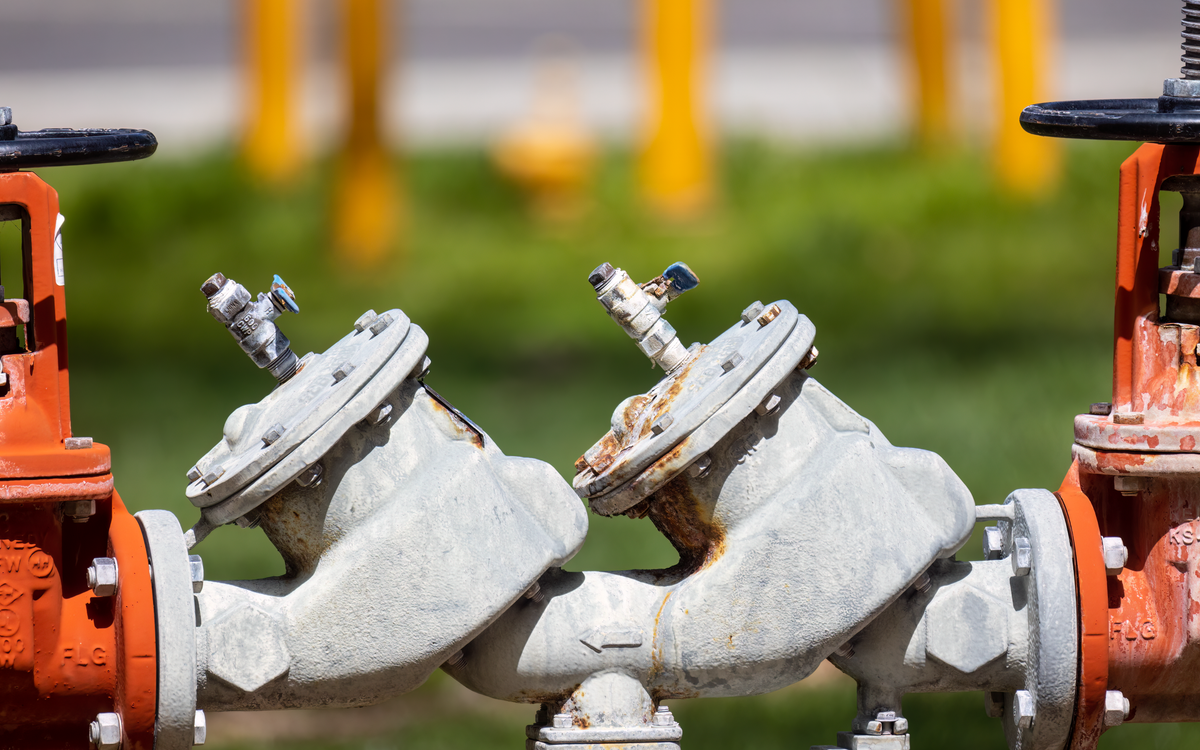
A backflow prevention assembly is equipment in the water and plumbing category. Assemblies protecting the potable water supply from contamination, tested on a cycle by a certified tester.
Also called: backflow preventer, RPZ, double check valve assembly, cross connection assembly, DCVA.
Required artifacts
| Artifact | What it does |
|---|---|
| Inspection tag | An inspection tag is a compliance consumable affixed to equipment that records who serviced it, when, and under what licence. |
| Service label | A service label is a compliance consumable applied directly to equipment recording a test, a certification, or a next-due date. |
Which of these you actually need, and on what cycle, depends on your jurisdiction. We publish that only where we have read the governing clause and can cite it. Where we have not, the page says so rather than guessing.
In stock for backflow prevention assemblies
What it is
A valve assembly on the incoming water main that only lets water travel one way. Usually a reduced pressure zone or double check assembly, with test cocks on the body for gauge connections. Found in a vault, a pit, or a mechanical room near where the supply enters.
Why it gets inspected
The failure is contamination of drinking water, which is why testing is annual and by a certified tester rather than a caretaker. Check valves foul with debris and relief valves seize, and neither is visible from outside the body - the only way to know is to put gauges on it.
What happens on a visit
Shut down downstream, connect the test kit to the test cocks, record differential pressures across each check and at the relief opening, repair or rebuild if the readings fail, then restore and record the numbers before the kit is packed away.
What drives the tag count
These live in vaults, pits and exterior enclosures, which is why card stock fails on them within a season. The certification number of the tester is the field a water purveyor checks first, and the most common reason a submitted test report comes back rejected is that the number on the tag and the number on the report do not match.
What actually gets tagged, and where it goes
The test tag is attached to the assembly itself, usually wired to the body or a test cock rather than adhered, because the assembly is outdoors or in a vault as often as it is indoors and adhesive on wet brass does not last. The tag records the test date and the tester, and the detailed readings go on the test report that accompanies it. Assemblies in vaults or pits are the hard case: the tag has to be legible to somebody kneeling over an open chamber with a torch, which argues for a larger tag and a plastic substrate even where the price of card is tempting.
What a scan of backflow prevention assemblies shows
Backflow testing is where the paperwork most often outlives the relationship between the parties. The water purveyor wants the report, the property owner holds the obligation, and the tester is a contractor who may change annually. A scan resolves to the assembly and shows its test history regardless of which tester performed which test, which is exactly the continuity that breaks when each year's results live in a different company's filing system. A new tester picking up the account can see what the assembly has done rather than starting from the tag currently on it.
Every artifact here is serialised, so the record survives the tag being replaced. The mechanics are on how inspection records work.
Sizing an order for a fleet of backflow prevention assemblies
Assemblies are counted individually and there are usually fewer of them than people expect, often a handful per property, so this is a low volume item where the hundred unit minimum covers a substantial portfolio. Order for the whole portfolio at once rather than per property: the imprint is identical, the unit price improves, and a tester carrying stock avoids a second trip. Add a margin for assemblies that fail and are retested after repair, which consumes a second tag in the same year.
Minimum is 100 units and every price is on the page, so a first order can be a test rather than a commitment. Why the minimum is 100, not 2,500.
Inspected on the same visit
Backflow assemblies sit on the same water infrastructure as the fire protection system, and in many buildings the assembly protecting the sprinkler supply is tested by a company that also services the riser. Where that is the case the riser, the standpipe and the fire pump are on the same visit and the same route through the building, even though they fall under different standards and different testing regimes. The practical consequence is that a company holding both certifications orders all four artifact types on one purchase order, because the imprint is identical and the delivery is the same.
Ordering backflow prevention assemblies: common questions
Should the tag go on the assembly or in the report?
Both, and they do different jobs. The tag on the assembly says a test happened and who performed it, and it is what somebody standing at the assembly can see. The detailed readings belong in the test report that goes to the water purveyor. The tag is the index; the report is the evidence.
We only have a few assemblies. Is 100 units too many?
It is usually about right for a portfolio rather than a single property. Assemblies are counted individually and there are often only a handful per site, so a hundred tags typically covers a testing company for a year or a property owner for many. Ordering the portfolio at once also means one imprint and one delivery.
What happens when an assembly fails and is retested?
It consumes a second tag in the same year, which is worth allowing for when ordering. In the record the failure and the retest are separate entries, and the failure is not overwritten by the pass. That sequence is what shows the problem was found and corrected rather than never having existed.