Fire and life safety
Fire pump
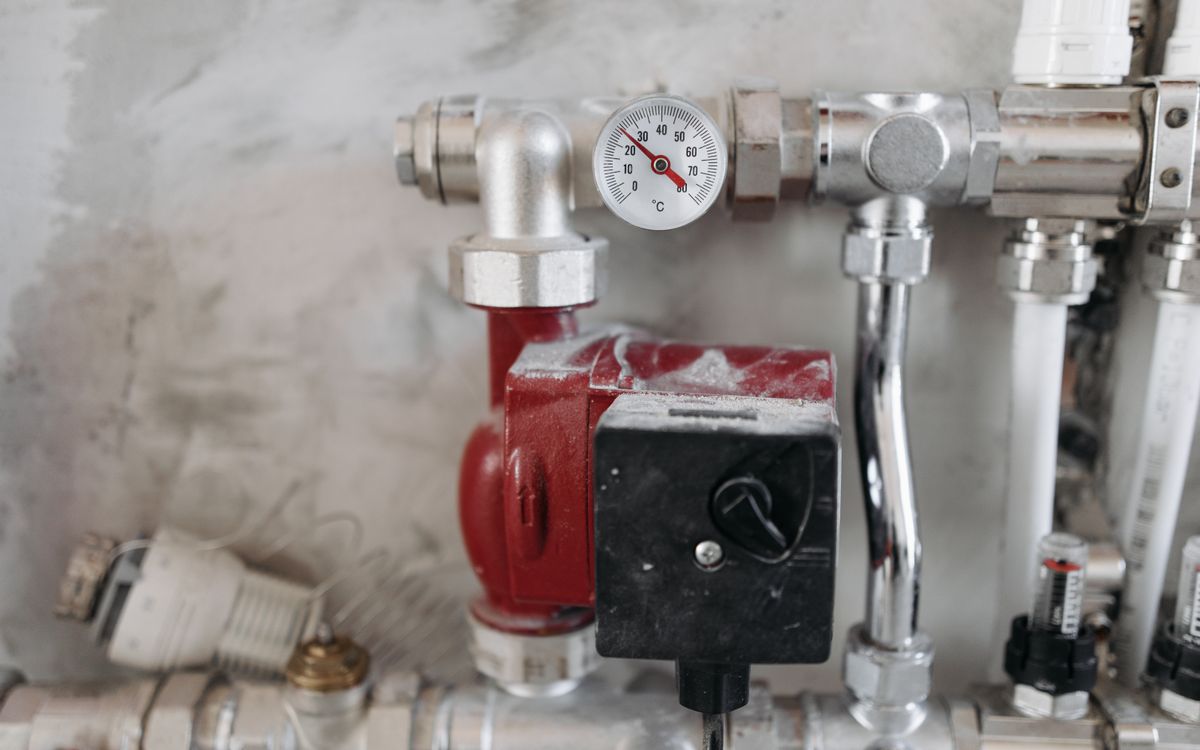
A fire pump is equipment in the fire and life safety category. Pumps boosting water pressure for fire protection, requiring periodic churn and annual flow testing.
Also called: fire booster pump, sprinkler pump.
Governing standards
Required artifacts
| Artifact | What it does |
|---|---|
| Inspection tag | An inspection tag is a compliance consumable affixed to equipment that records who serviced it, when, and under what licence. |
| Service certificate | A service certificate is a compliance consumable certifying that a scheduled service was performed, displayed on the premises. |
Which of these you actually need, and on what cycle, depends on your jurisdiction. We publish that only where we have read the governing clause and can cite it. Where we have not, the page says so rather than guessing.
What it is
A dedicated pump, electric or diesel, that boosts water pressure into a sprinkler or standpipe system when municipal supply is not enough. It sits in its own room with a controller, a jockey pump and, if diesel, a fuel tank and batteries.
Why it gets inspected
A fire pump spends its life idle and is asked to start once, under load, on the worst day. Diesel batteries go flat, fuel degrades, packing dries out and controllers drift. Weekly churn testing exists because idle machinery lies about its condition.
What happens on a visit
Start the pump and run it, watch suction and discharge pressure, check packing drip, listen for bearing noise, and on diesel units confirm battery charge, fuel level and that it started on the first attempt rather than the third.
What drives the tag count
Churn and flow tests happen on different cycles, so one pump generates more than one record type a year. The pump room is also usually unconditioned and often damp, which rules out card stock for anything hung rather than posted.
What actually gets tagged, and where it goes
A fire pump carries a tag at the controller where the test results are recorded, and frequently a second at the pump itself. The tag is the index rather than the record: a churn test produces suction and discharge pressures and a run time, and an annual flow test produces a set of readings across flow points, none of which fits on a card. Controller rooms run hot and vibrate, so mounting matters and adhesive is a poor choice against a controller cabinet that gets opened weekly.
What a scan of fire pumps shows
This is the equipment on the site where the record is most obviously more valuable than the tag, because a fire pump is judged on trend rather than on a single test. Pressures that have drifted five per cent across four quarterly tests are a finding. The same pressures read once are just numbers. A scan resolves to the pump and shows the readings as a series, available to the building owner and to the authority having jurisdiction without going through the servicing contractor, who is usually the only party currently holding them.
Every artifact here is serialised, so the record survives the tag being replaced. The mechanics are on how inspection records work.
Sizing an order for a fleet of fire pumps
There are very few fire pumps relative to everything else, often one per building, so this is a low volume high value item. Order across the whole portfolio at once. The consumption driver is test frequency rather than pump count: a pump under weekly churn testing and annual flow testing generates entries continuously even though it only ever needs a small number of physical tags per year.
Minimum is 100 units and every price is on the page, so a first order can be a test rather than a commitment. Why the minimum is 100, not 2,500.
Inspected on the same visit
A fire pump exists to serve the sprinkler and standpipe systems, so it is inspected as part of the same programme and by the same company. The backflow assembly on the supply is often tested on the same visit. What differs is quantity: there is normally one pump against many risers and far more standpipe outlets, so the pump contributes very few tags to an order while generating a high volume of recorded readings. Order it alongside the rest rather than separately, since one pump is never worth its own delivery.
Ordering fire pumps: common questions
Why does a fire pump need a record rather than a tag?
Because a pump is judged on trend. Pressures that have drifted five per cent across four quarterly tests are a finding; the same pressures read once are just numbers. A churn test produces suction and discharge pressures and a run time, and an annual flow test produces readings across several flow points. None of that fits on a card.
How many pump tags will we order?
Very few. There is often one pump per building, so this is a low volume item and the sensible approach is to order across the whole portfolio at once. Consumption is driven by test frequency rather than pump count: a pump under weekly churn testing generates entries continuously while needing only a small number of physical tags per year.
Can the building owner see the test results?
Yes, from the QR at the pump, without an account. That is deliberate. Fire pump readings are normally held only by the servicing contractor, which means the party responsible for the building cannot see the trend in their own equipment without asking for it.